
Overview
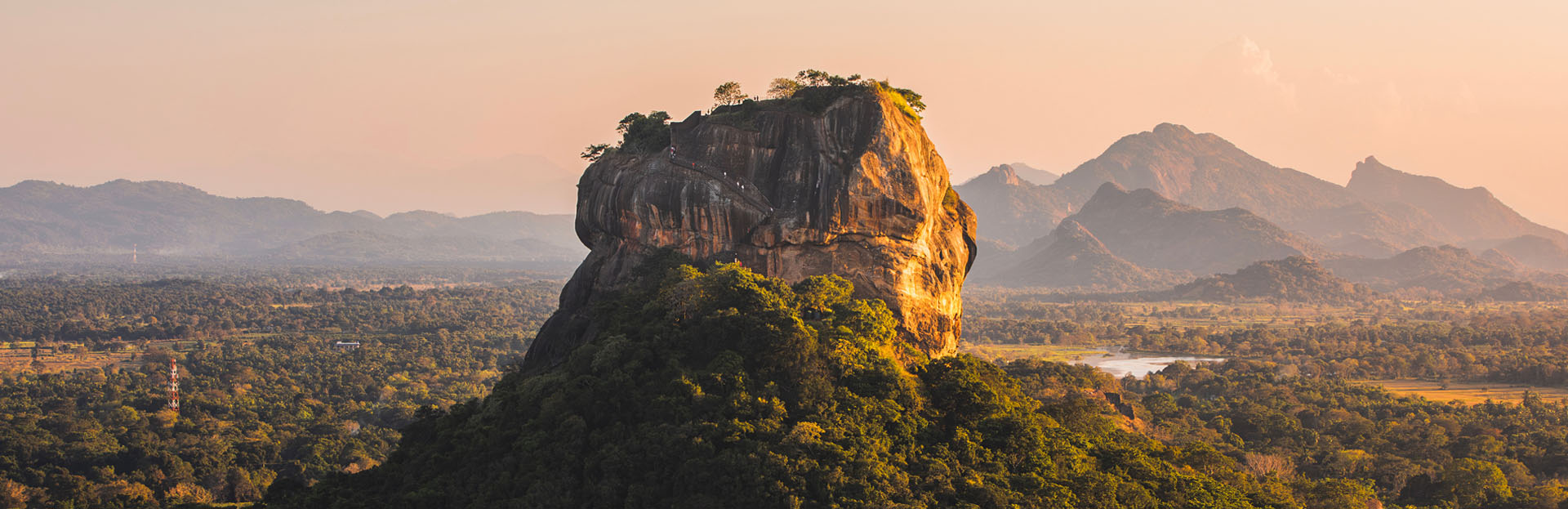
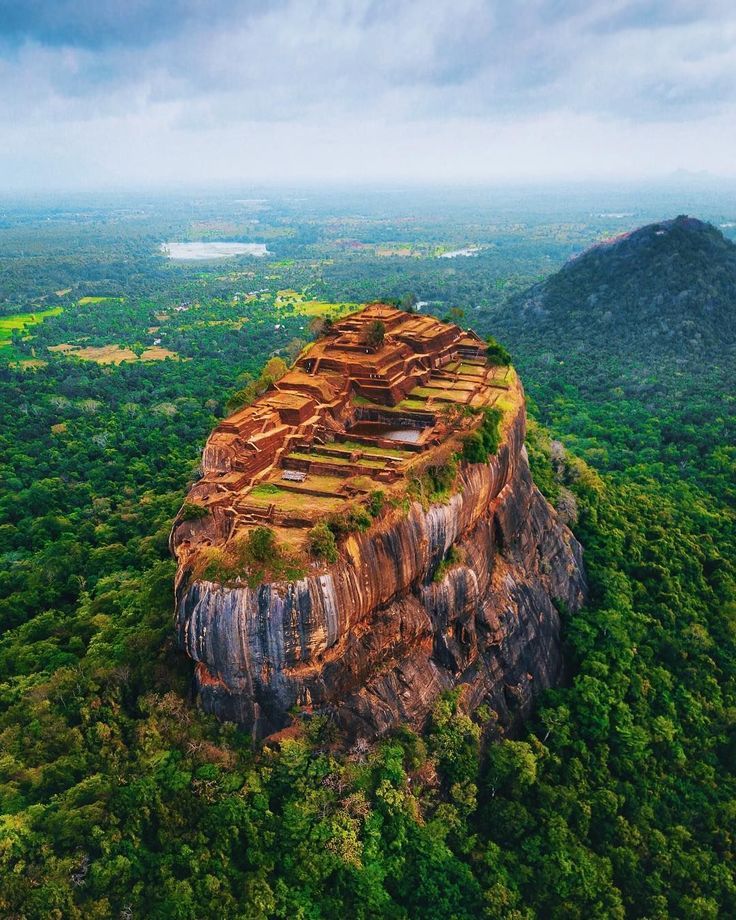
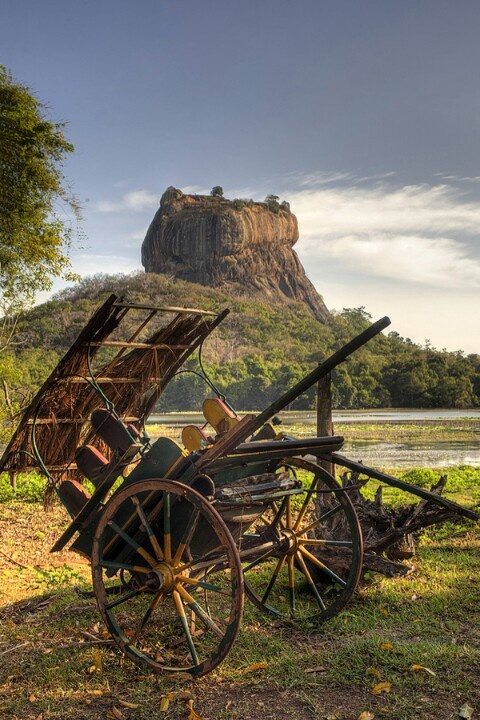
Sigiriya, often referred to as the “Lion Rock,” is one of Sri Lanka’s most iconic and historically significant landmarks. Located in the heart of the country’s Cultural Triangle, Sigiriya is a remarkable ancient rock fortress that attracts thousands of visitors from around the world every year. Rising nearly 200 meters above the surrounding plains, this magnificent rock formation combines history, architecture, engineering, and natural beauty, making it one of the most fascinating destinations in Sri Lanka.
Sigiriya was built during the reign of King Kashyapa I in the 5th century AD. According to historical records, King Kashyapa chose this massive rock as the site of his royal palace and fortress after taking control of the throne. The king transformed the rock and its surroundings into a magnificent royal complex featuring advanced engineering, landscaped gardens, water systems, and defensive structures. Today, the ruins of this ancient kingdom provide valuable insights into Sri Lanka’s rich cultural and architectural heritage.
One of the most impressive features of Sigiriya is its sophisticated design. Visitors begin their journey through beautifully landscaped water gardens, which are considered among the oldest surviving landscaped gardens in Asia. These gardens include symmetrical pools, fountains, and waterways that demonstrate the advanced hydraulic engineering skills of ancient Sri Lankan civilization. During the rainy season, some of the fountains still function as they did centuries ago.
As visitors climb the rock, they encounter the famous Sigiriya frescoes. These ancient paintings, created on the western face of the rock, depict elegantly dressed women believed to be celestial maidens or royal attendants. Despite being over 1,500 years old, many of the frescoes retain their vibrant colors and artistic beauty. Nearby is the famous Mirror Wall, a polished wall that once reflected the king’s image. Ancient inscriptions and poems written by visitors centuries ago can still be seen on this wall, providing a unique glimpse into Sri Lanka’s literary history.
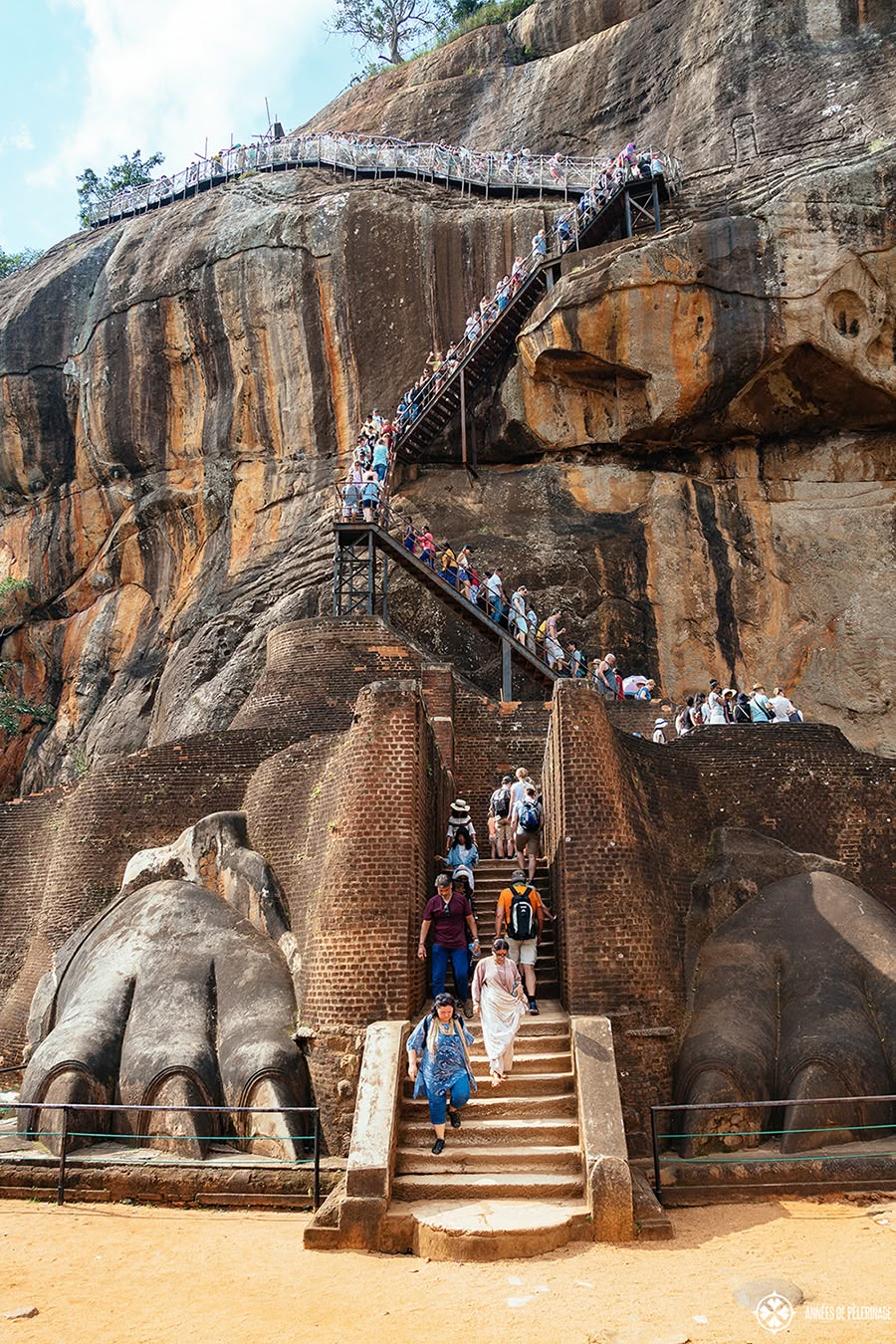
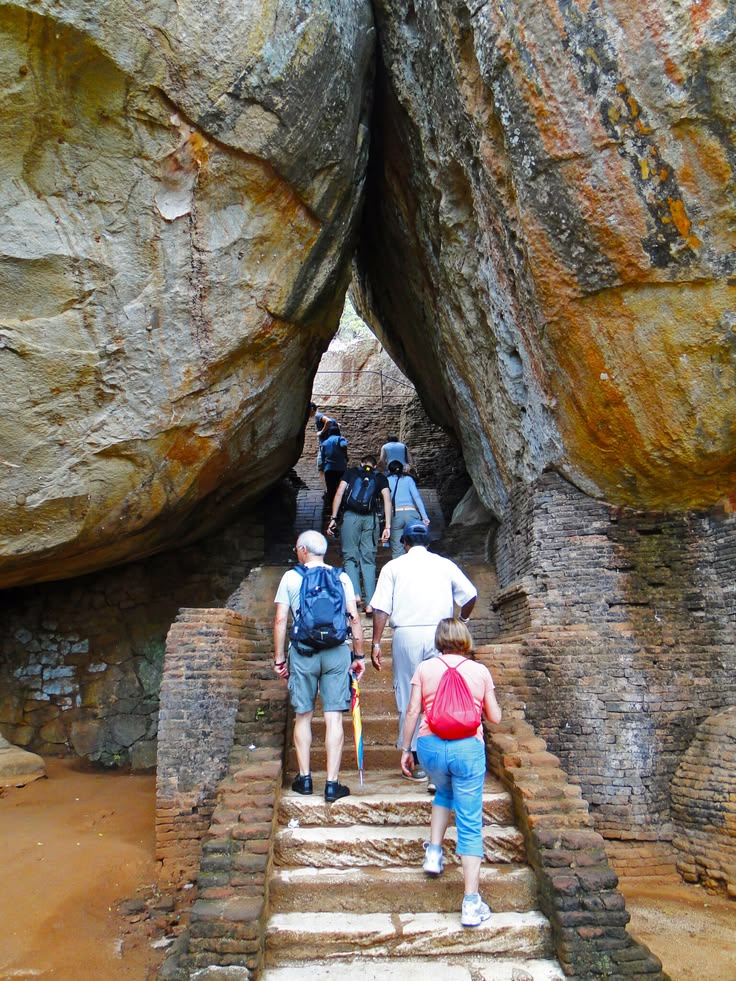
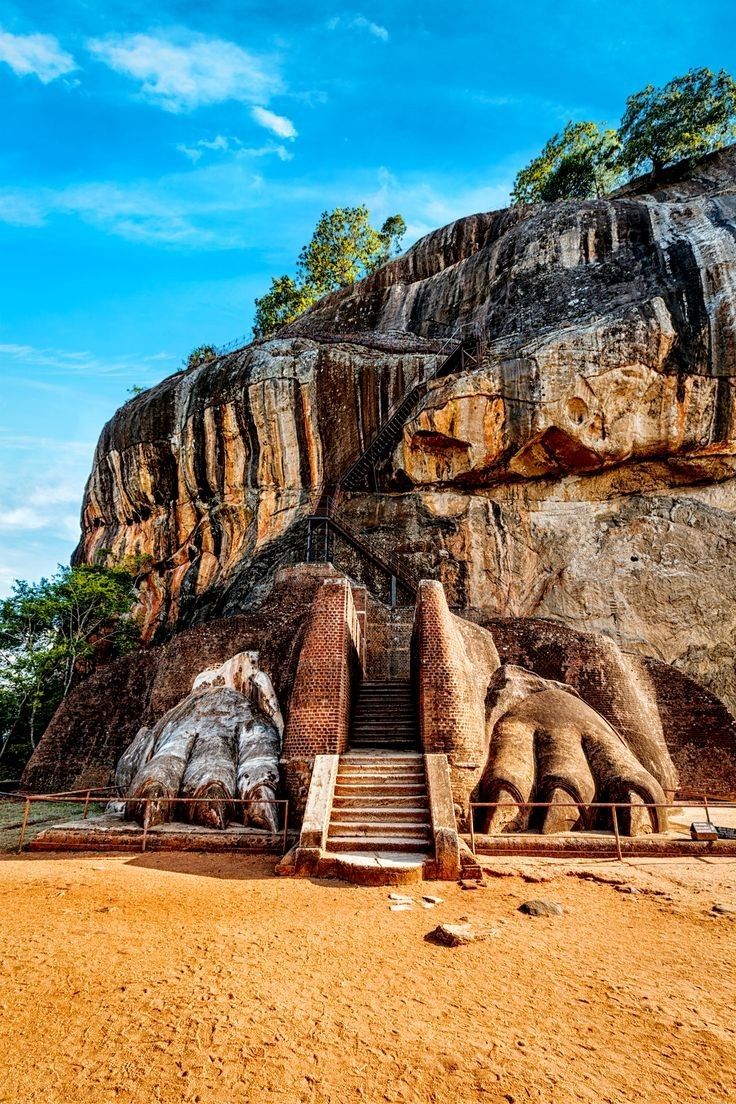
The most recognizable feature of Sigiriya is the enormous Lion Gate. Originally, a giant lion-shaped structure guarded the entrance to the upper palace. Although most of the lion’s body has disappeared over time, its massive stone paws remain intact and continue to impress visitors. From this point, a staircase leads to the summit of the rock, where the remains of King Kashyapa’s palace can still be explored.
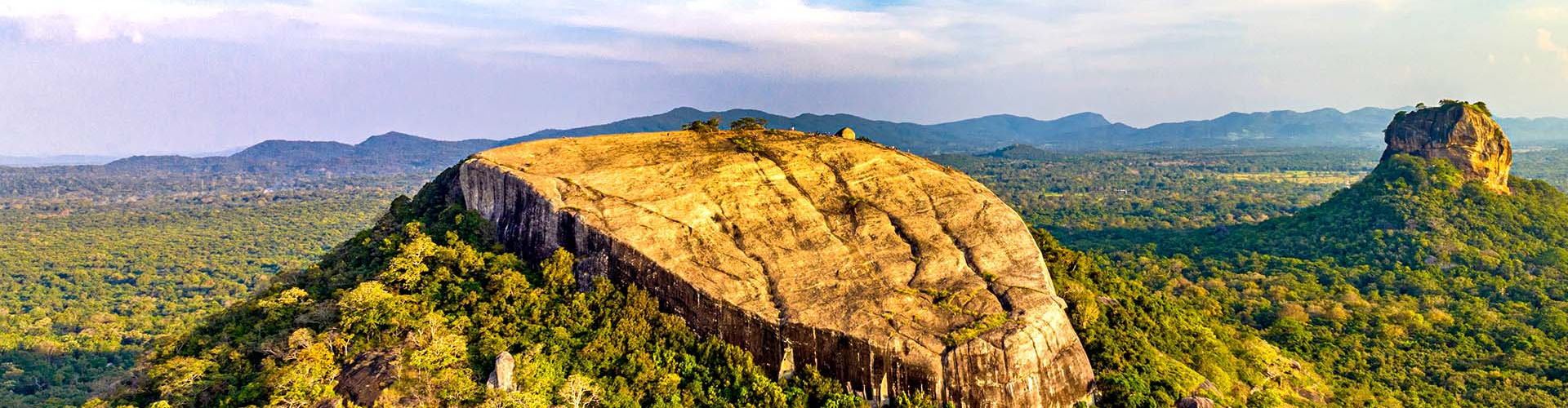
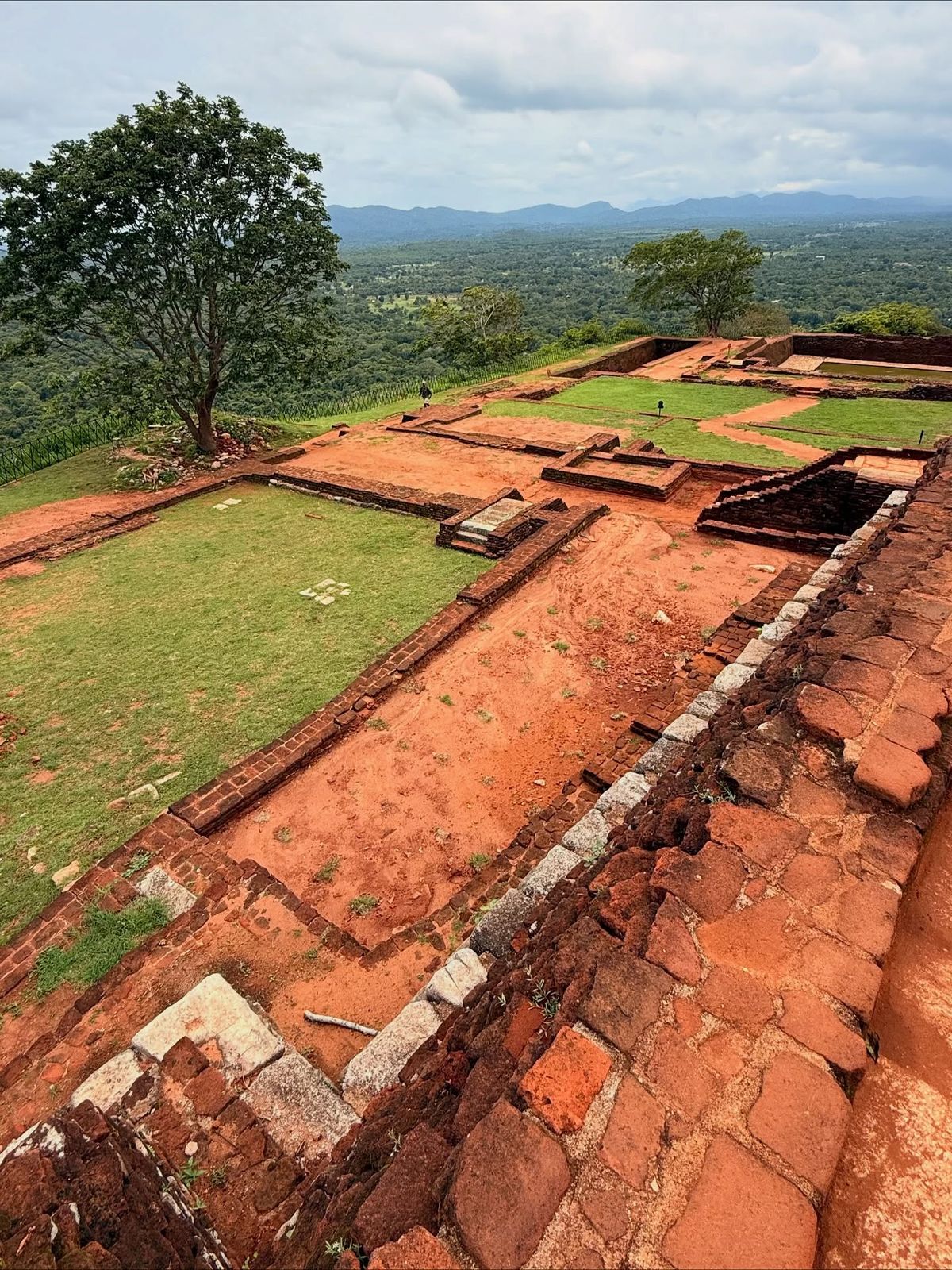
The top of Sigiriya offers breathtaking panoramic views of the surrounding countryside. Visitors can enjoy sweeping vistas of forests, lakes, villages, and distant mountain ranges stretching across the horizon. The summit also contains the foundations of royal buildings, reservoirs, and other structures that once formed part of the king’s palace complex.
Recognized as a UNESCO World Heritage Site, Sigiriya is considered one of the greatest achievements of ancient Sri Lankan civilization. Its combination of historical significance, artistic treasures, engineering excellence, and natural beauty makes it a must-visit destination for travelers interested in culture and history. In conclusion, Sigiriya is far more than just a rock fortress. It is a symbol of Sri Lanka’s rich heritage, creativity, and architectural brilliance. Whether visitors come to admire its ancient ruins, explore its fascinating history, or enjoy its stunning views, Sigiriya offers an unforgettable experience that showcases the very best of Sri Lanka’s cultural legacy.