Overview
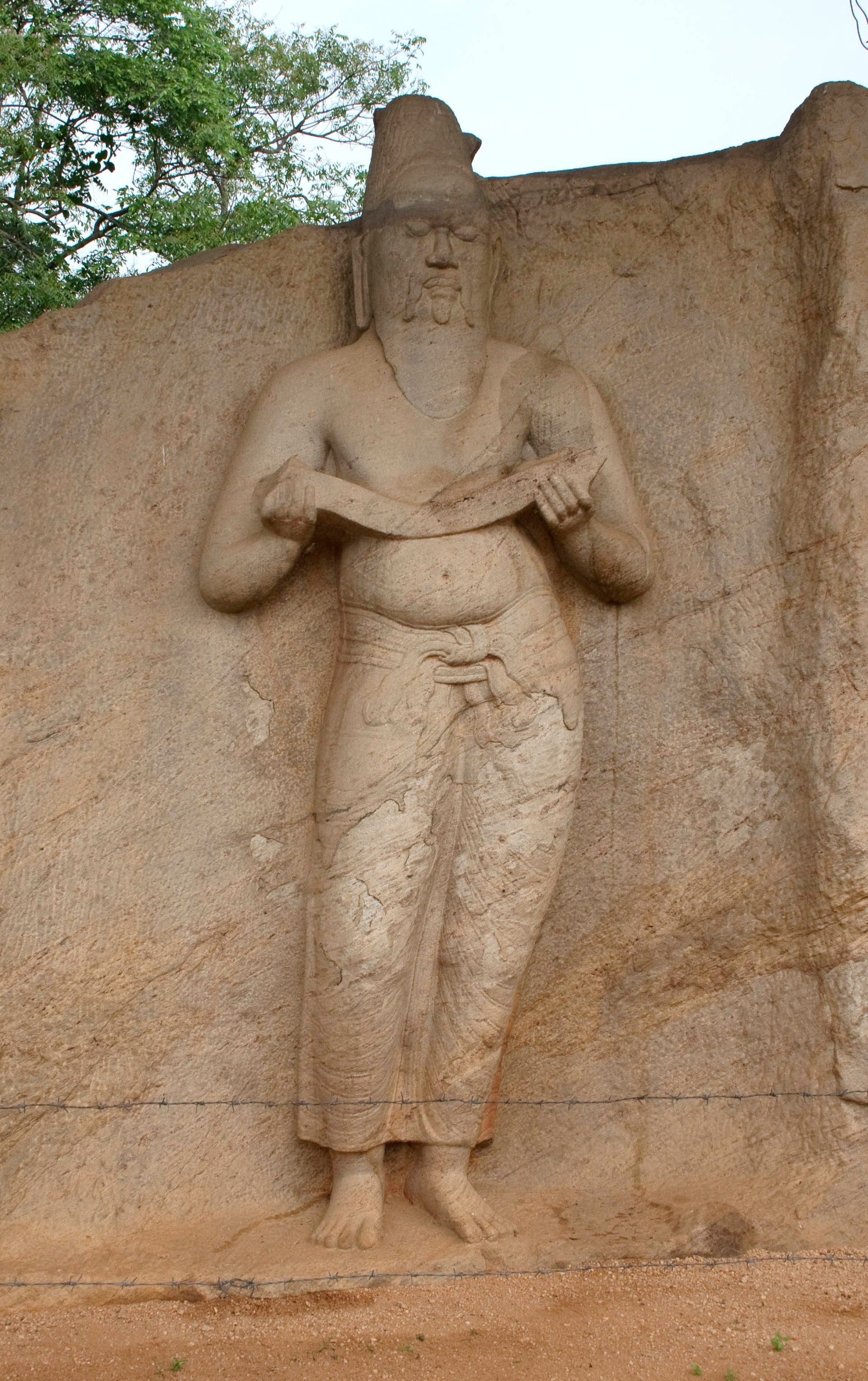
Polonnaruwa is one of the most important historical and archaeological destinations in Sri Lanka. Located in the North Central Province, it served as the second capital of Sri Lanka after Anuradhapura. The city reached its golden age during the 11th and 12th centuries under the rule of King Parakramabahu I, who transformed it into a prosperous center of administration, religion, culture, and trade. Today, Polonnaruwa is recognized as a UNESCO World Heritage Site and is considered one of the best-preserved ancient cities in South Asia.
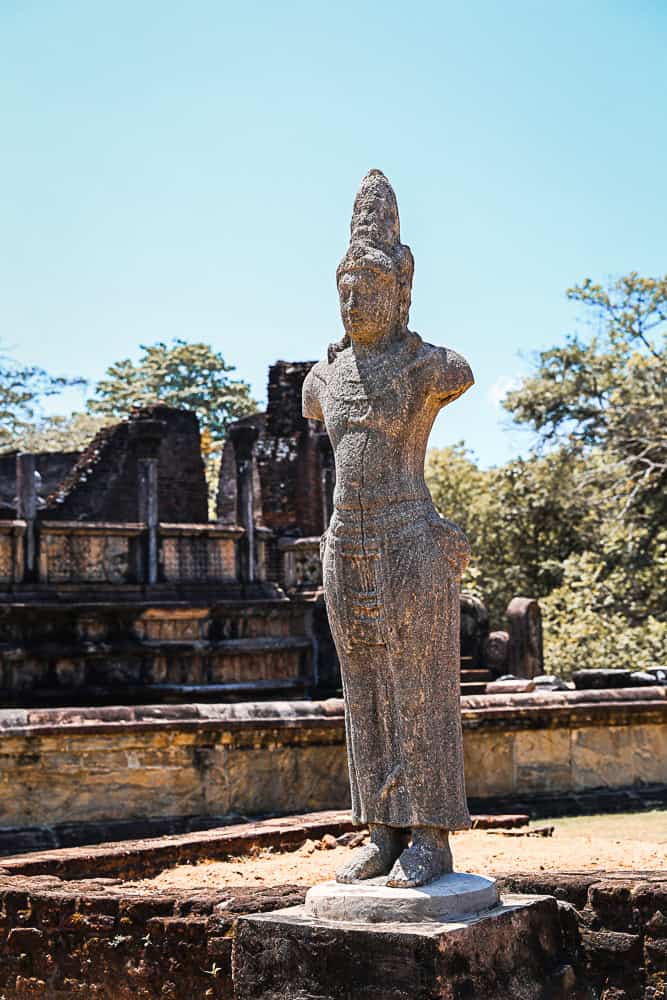
The city is famous for its remarkable collection of ancient monuments, temples, palaces, and statues. These historical structures reflect the advanced architectural and engineering achievements of medieval Sri Lanka. Visitors can explore the vast archaeological park, which contains numerous well-preserved ruins that provide a fascinating glimpse into the island’s rich history and cultural heritage.
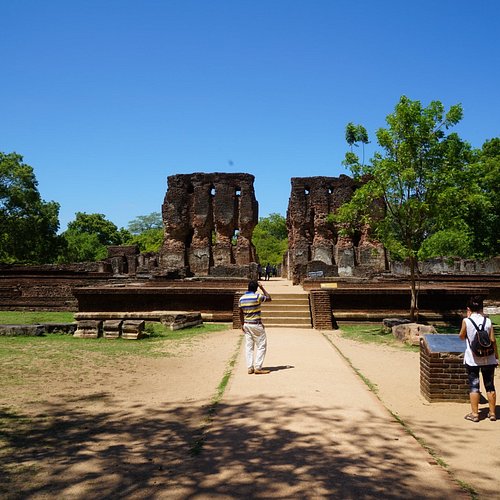
One of the most impressive attractions in Polonnaruwa is the Royal Palace of King Parakramabahu. Although only parts of the structure remain today, it is believed to have once contained hundreds of rooms and multiple stories. The palace complex demonstrates the grandeur and sophistication of the kingdom during its peak.
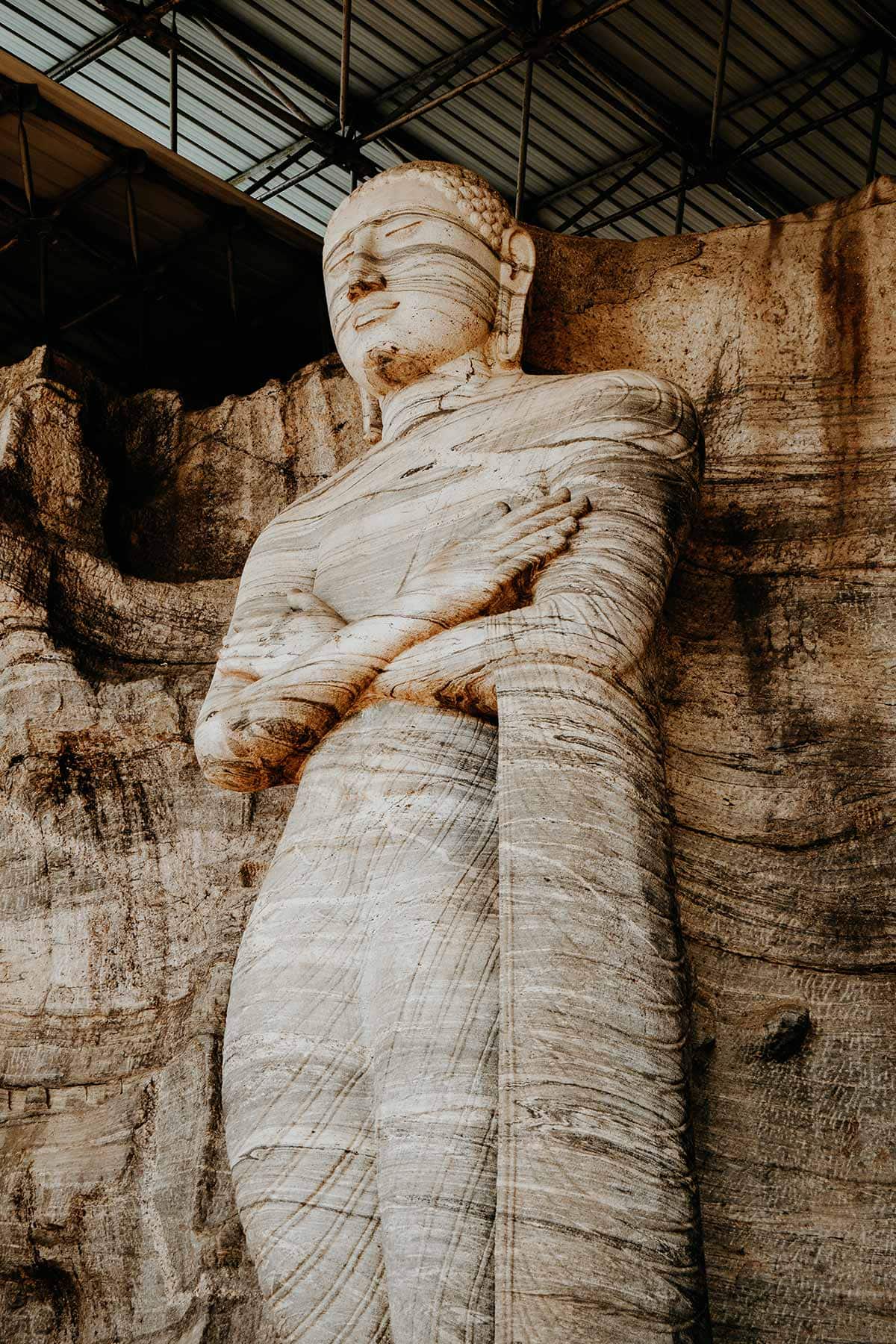
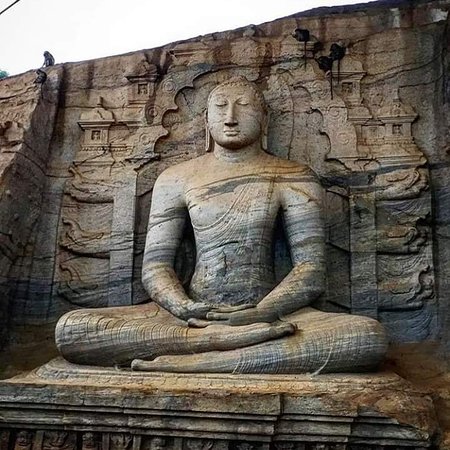
Another iconic landmark is Gal Vihara, one of the most celebrated examples of ancient Sri Lankan stone carving. This sacred site features four magnificent Buddha statues carved into a single granite rock face. The statues depict the Buddha in seated, standing, and reclining positions and are admired for their artistic beauty and craftsmanship. Gal Vihara remains an important religious and cultural attraction for both pilgrims and tourists.
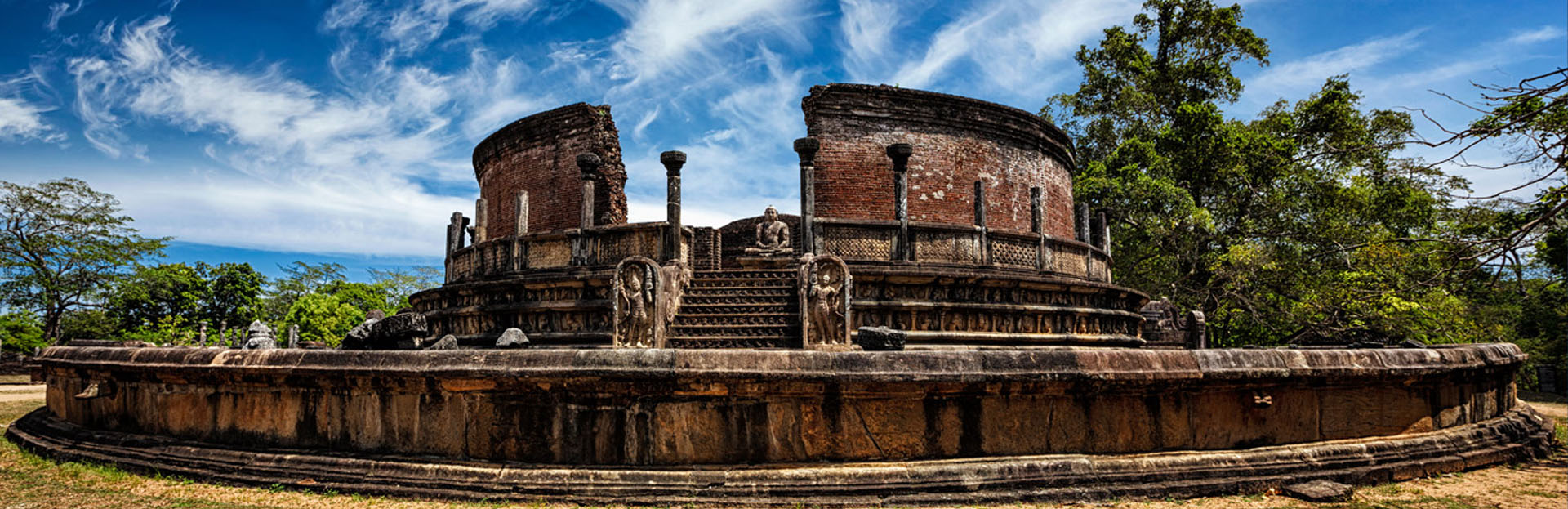
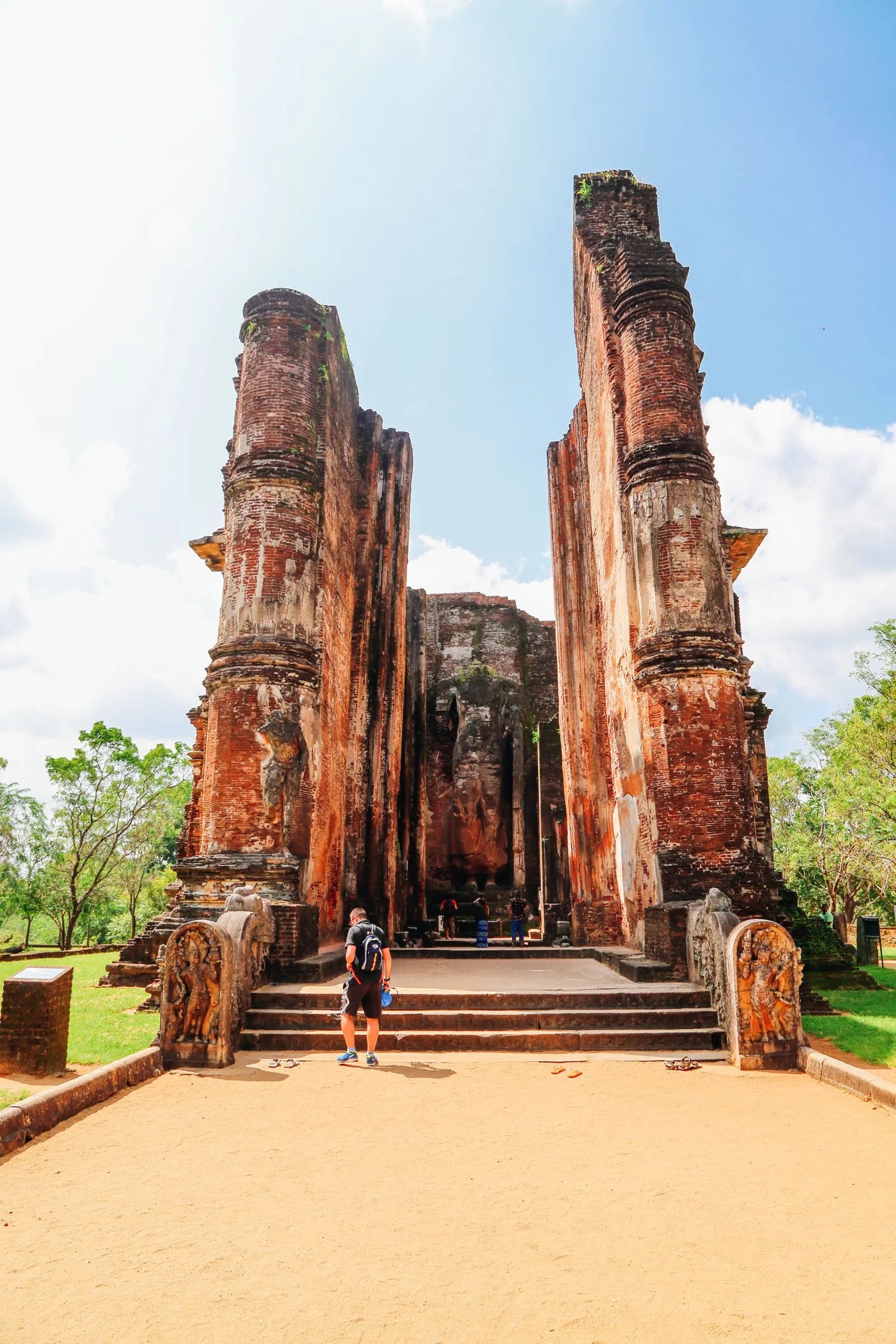
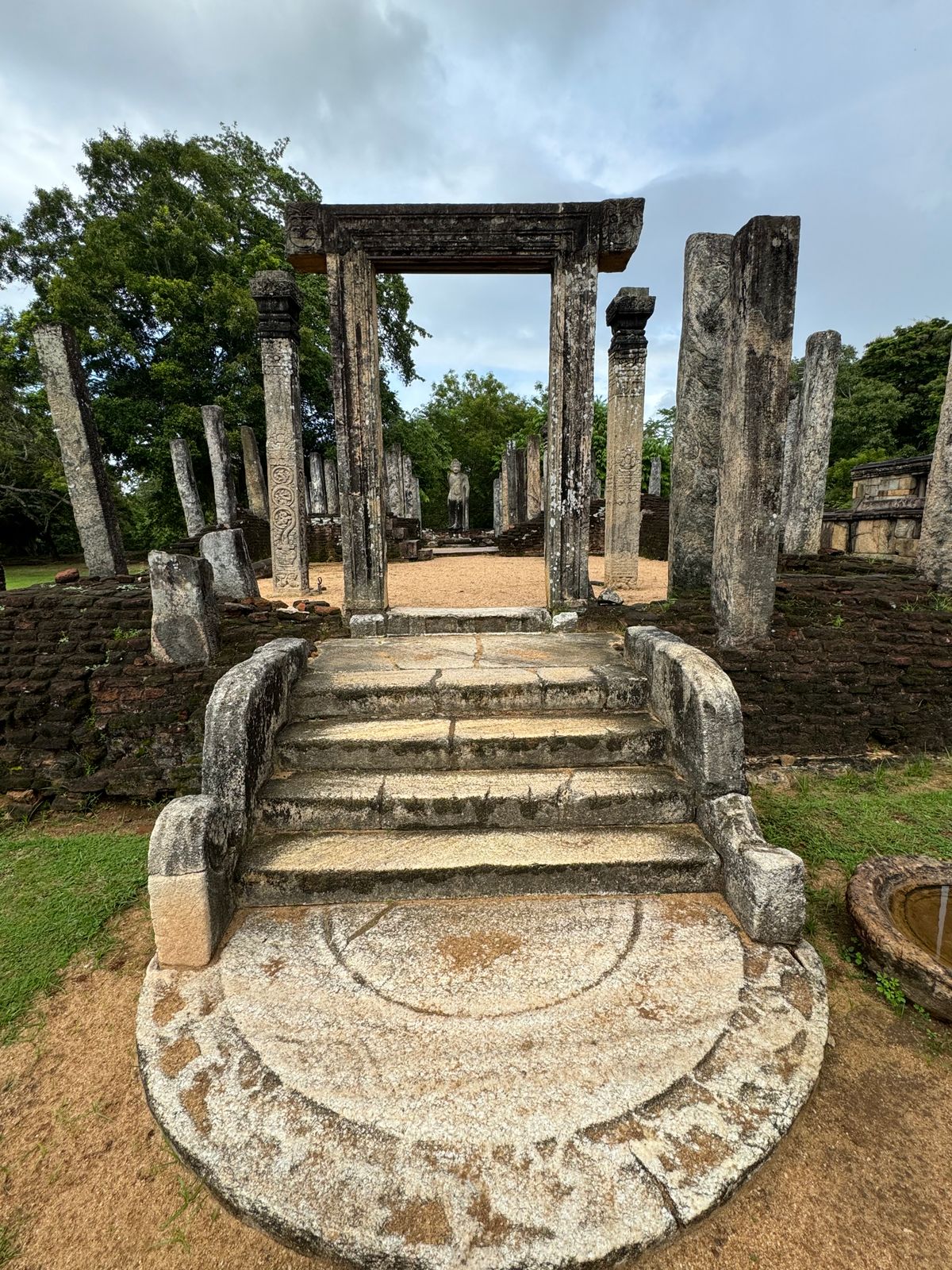
Polonnaruwa is also home to several important Buddhist monuments, including Vatadage, a beautifully designed circular shrine that is considered one of the finest architectural achievements of ancient Sri Lanka. Nearby, visitors can explore Rankoth Vehera and Lankatilaka Image House, which showcase the city’s religious importance and artistic excellence.
A significant achievement of King Parakramabahu I was the construction of Parakrama Samudra, a massive man-made reservoir that remains one of the largest irrigation projects in Sri Lanka. The king famously declared that not a single drop of rainwater should flow into the sea without being used for agriculture. This reservoir highlights the advanced hydraulic engineering skills of the ancient civilization and continues to support local farming communities today.
The city’s well-planned layout, sophisticated irrigation systems, and architectural masterpieces demonstrate the high level of development achieved during the Polonnaruwa period. Visitors often explore the ancient city by bicycle, allowing them to comfortably visit the many monuments, gardens, ponds, and ruins spread across the archaeological zone.
Apart from its historical attractions, Polonnaruwa is surrounded by natural beauty and wildlife. Nearby forests and lakes provide opportunities to observe birds, monkeys, and elephants, adding an extra dimension to the visitor experience. In conclusion, Polonnaruwa is a remarkable destination that showcases the glory of Sri Lanka’s medieval civilization. Its magnificent temples, royal palaces, ancient reservoirs, and artistic treasures offer a unique journey through history. Whether visitors are interested in archaeology, architecture, culture, or religion, Polonnaruwa provides an unforgettable experience and remains one of Sri Lanka’s most treasured heritage sites.